From an early age, I was lucky to travel and experience life in different cultures around the world. After school, I wanted to keep that sense of discovery—but with purpose. Education I was convinced already back then, was the most powerful tool for change, so I set two goals for my gap year: learn Spanish and volunteer in a school.
Gap years and reflection
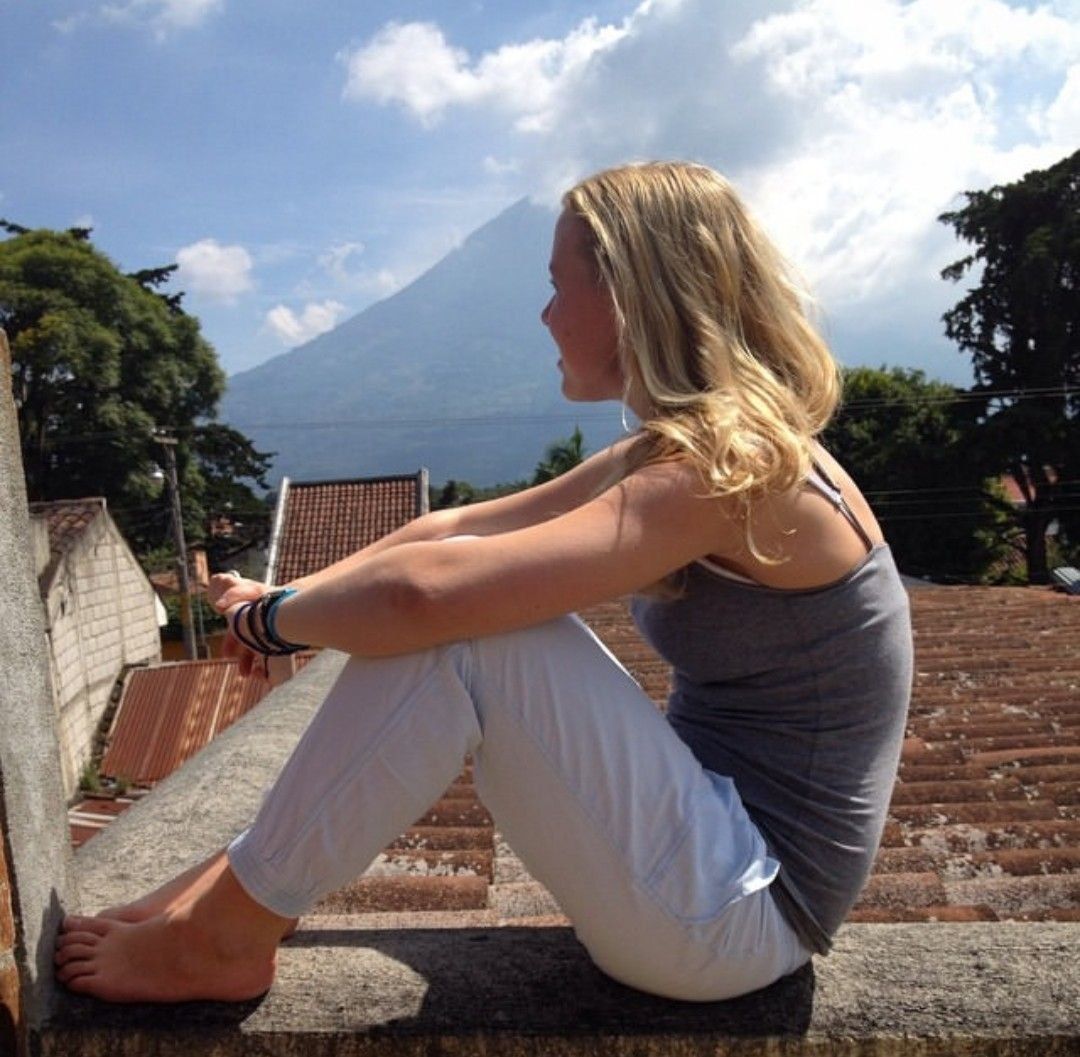
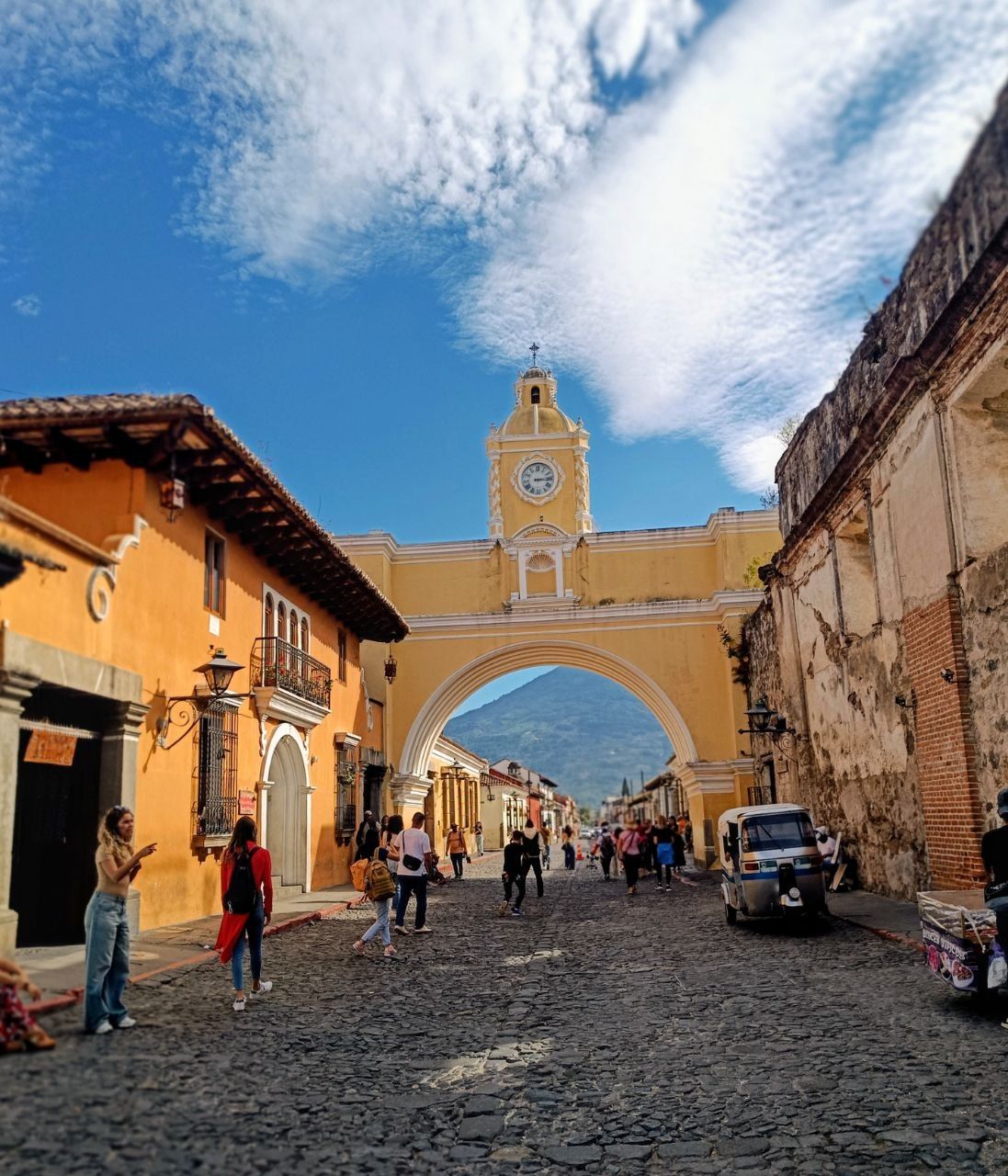
So as a little 18 year that had just graduated high school and felt like I could conquer the world I went to Guatemala, took 4 weeks of Spanish classes and ended up in a primary school. This is where I had two realizations: 4 weeks of Spanish course is not enough to actually understand anything, especially from excited 10 year olds. Secondly, I felt useless in the classroom. while at the first moment I felt like no one cared at all I was there, I understood only later that I was actually useless. no language skills, no background or experience in teaching, no background working with children.
This experience resulted into me going back into gastronomy work for the rest of my stay and my student career after. However the topic of education, as a human right, stayed with me.
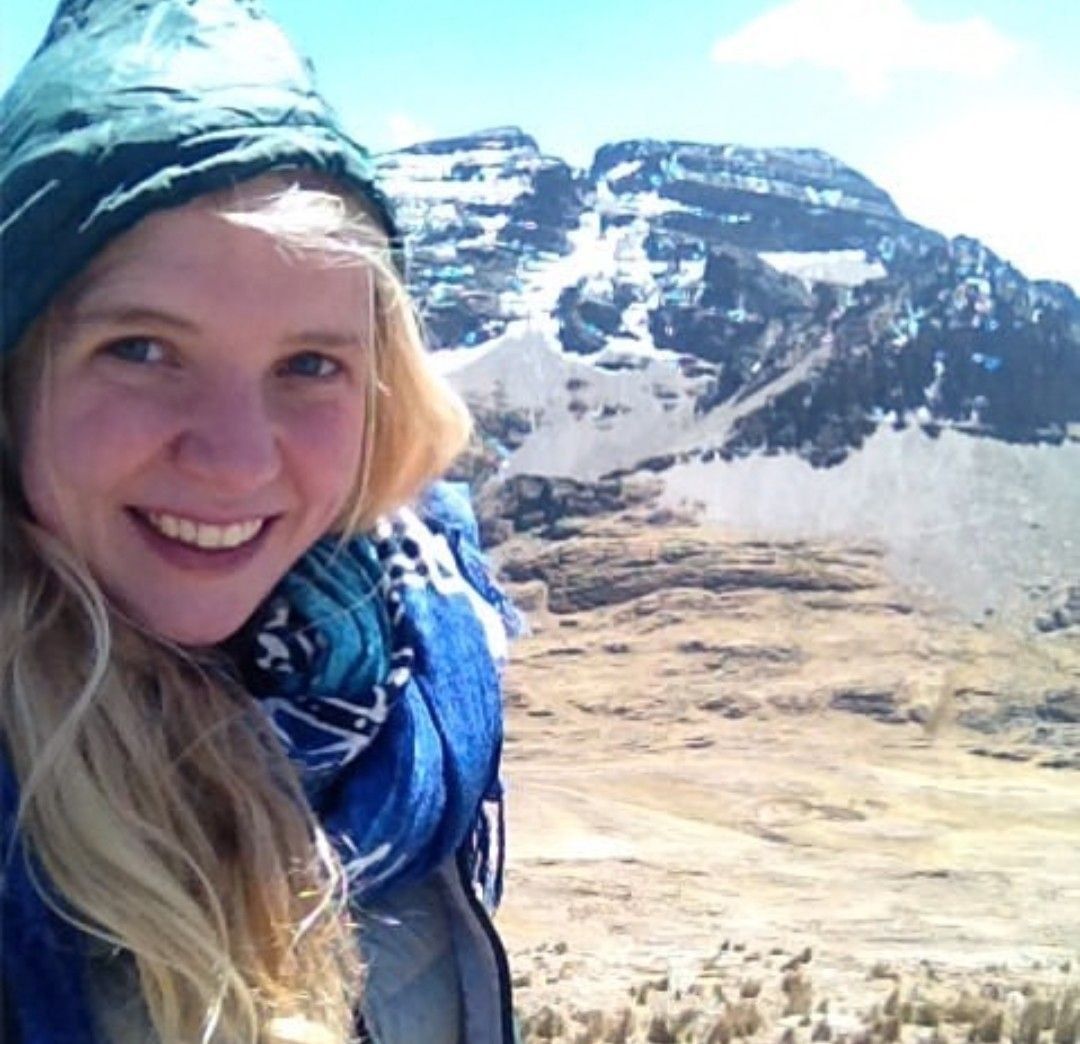
During my bachelor's degree, I tried to find my path into educational change again: I interned with a Bolivian NGO focused on informal education. This time, I spoke some Spanish. I was entrusted with my own group of children and responsible for their schedule, lesson planning, and delivery.
I no longer felt useless—but I felt impactless. Without formal teaching training, I wasn't sure my classes taught anything lasting. Did they align with what the children actually needed? Would anything stick after I left? And who was I to teach them anything?
Changing the perspective
A few years later, I started my first job, this time in Germany but implementing voluntary years abroad. After my earlier experiences, I was critical of volunteerism. Still, I saw a chance to improve the experience for both volunteers and host projects through better consulting, preparation, and critical thinking.
One core rule of the program: no teaching. Most volunteers were straight out of high school, with no teaching experience—just like me at that age. They were meant to assist teachers, not lead classes.
The reality was different. Almost all of them ended up teaching. Why? Not enough teachers. No teacher for a specific subject. Or low incentives for teachers to stay in the classroom, leaving volunteers in charge while they took a break.
In rural Ecuador, for example, English is a mandatory subject, but qualified English teachers are scarce. Anyone with some English knowledge and willingness to teach could become an English teacher, regardless of experience or qualifications. The result: overwhelmed volunteers, non-professional teaching, and lessons of questionable value against the curriculum.
But what I also saw were how motivated and passionate the volunteers were to give quality lessons and leave an impact. How if they were slightly more trained in the teaching profession a lot of moments could have been less stressful for them and more valuable for the children.
Putting everything together
Watching a documentary about fundraising for education goals, plus many hours of brainstorming with my partner and future co-founder, brought everything into focus. What I saw in international volunteerism also happens with locals. The reason: the gap of generally not enough teachers everywhere, was being filled by passionate people. The pattern was clear: emerging educators, full of passion, were thrown into teaching without enough preparation, resources, or support.
Subject knowledge helps, but teaching becomes far more effective when educators feel confident and supported. When they know how to manage a classroom, understand child development, create safe learning environments, and design lessons that are accessible to all students. When they have methods to connect with children in ways children understand—and know where to turn when they feel overwhelmed.
The idea: free, accessible, low-bandwidth learning for educators
So the idea was born to build an online platform with accessible content, reachable for free by anyone in the world. Because education is what I was always passionate about and with a free, accessible online platform, reachable on really low bandwidth or a one time download, we finally start to contribute our little piece to improving it.
UnitEd exists so that passionate people don't have to teach in the dark. They can build confidence, find support, and deliver classes that truly matter.
And this is how the journey started.